Backache (Back Pain): Causes, Types, and Treatment
Backache, commonly referred to as back pain, affects a large portion of the population. Various factors contribute to this condition, including poor posture, muscle strain, injuries, and daily lifestyle habits. By understanding its causes and forms, individuals can take effective steps toward prevention and treatment.
Lower Back Pain: The Most Common Form
Lower back pain remains the most frequently reported type of backache. Muscle, tendon, or ligament strain in the lower back often causes this condition. Improper lifting techniques, prolonged sitting, and lack of physical activity commonly trigger such strain. In addition, medical conditions like herniated discs, spinal stenosis, and osteoarthritis can also lead to persistent lower back discomfort.
Upper Back Pain: Posture and Muscle Strain
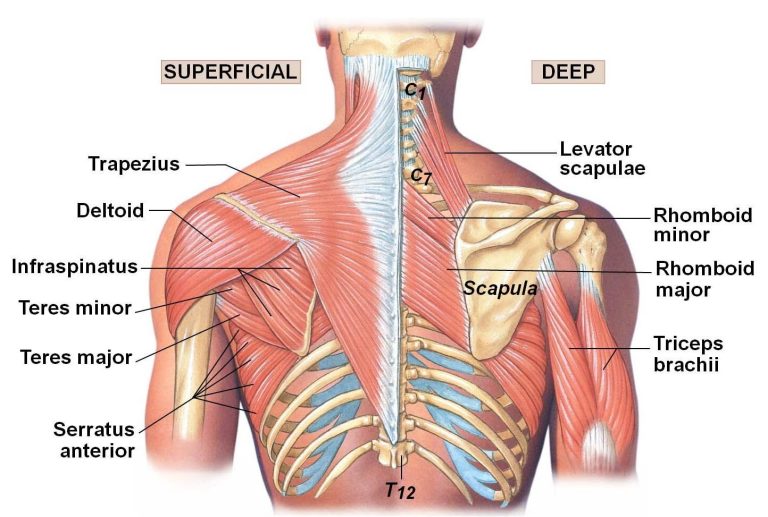
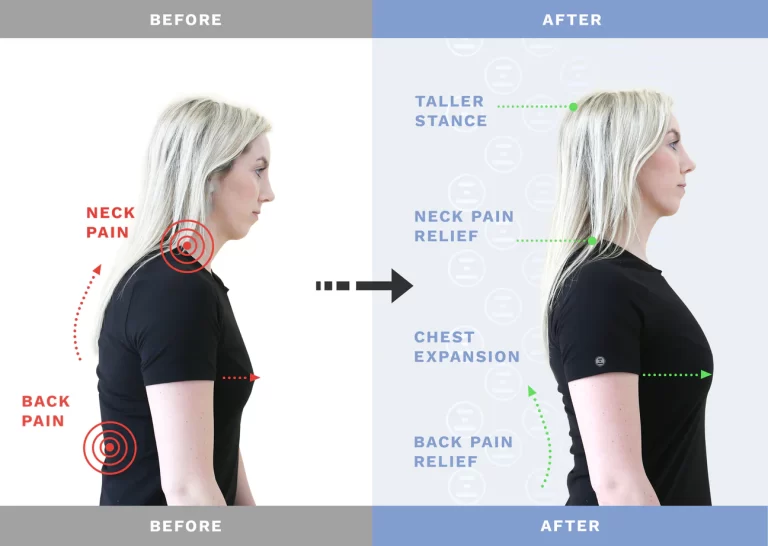
Upper back pain usually develops due to poor posture or excessive muscle tension. Spending long hours at a desk often causes the shoulders to roll forward, increasing strain on upper back muscles. Carrying heavy bags on one side further creates muscle imbalance, which can worsen the pain.
Chronic Back Pain and Quality of Life
Chronic back pain lasts longer than three months and significantly affects daily life. Many individuals experience disturbed sleep, reduced mobility, and emotional stress. Over time, these challenges may limit physical activity and overall well-being.
Preventing and Treating Backache
Maintaining good posture, staying physically active, and avoiding prolonged inactivity help prevent backache. Regular exercise strengthens back muscles and improves flexibility.
When pain develops, early treatment plays a crucial role in recovery. Physical therapy, guided exercises, and pain-relief medications often reduce symptoms effectively. In severe cases, doctors may recommend surgical treatment.
Conclusion
Backache is a common condition with multiple causes, ranging from lifestyle habits to underlying spinal issues. Taking preventive measures and seeking timely medical care can greatly reduce discomfort. With proper management, individuals can relieve back pain and improve their overall quality of life.